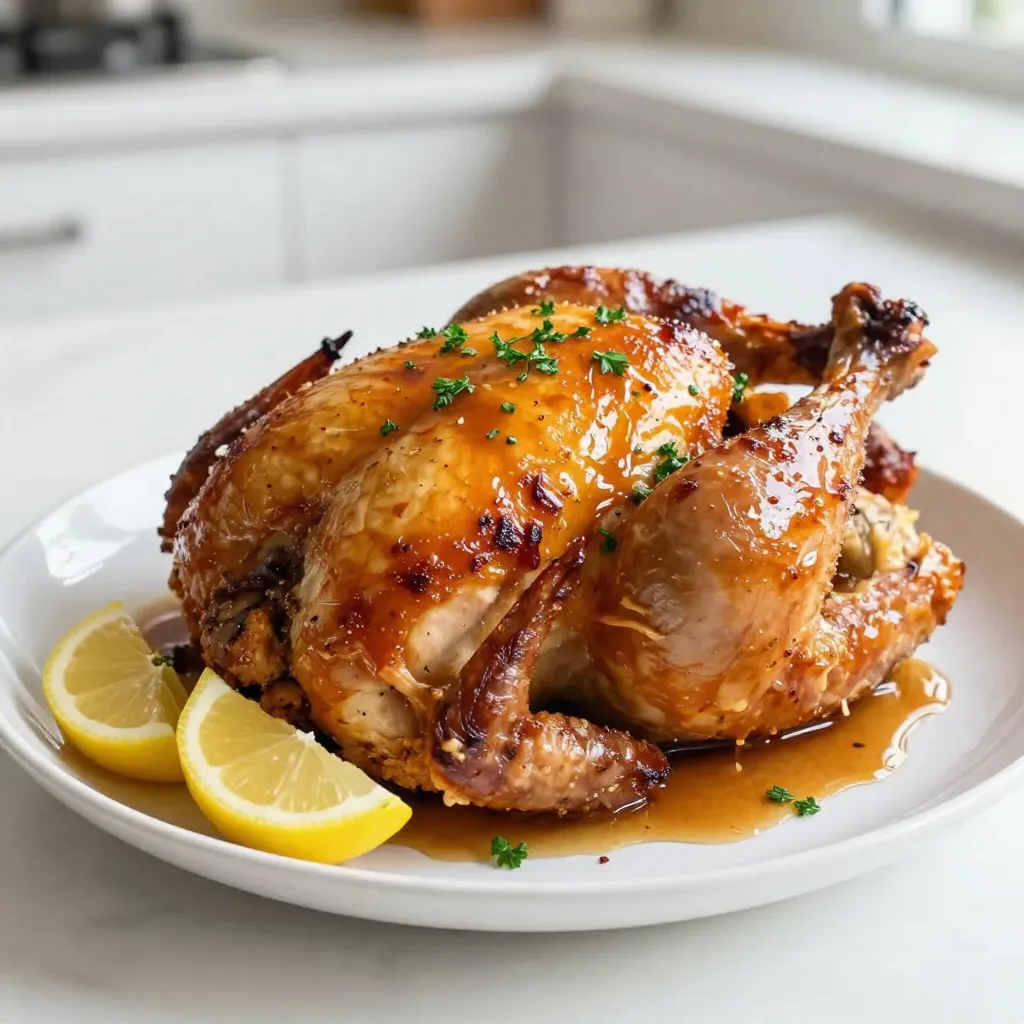
Looking for a dish that brings comfort and flavor to your dinner table? Maple Dijon Roasted Chicken is your answer! This recipe combines sweet maple with tangy Dijon, creating a dish that’s not only simple to prepare but will have everyone asking for seconds. In this article, I’ll guide you through each step, share tips, and suggest tasty variations, ensuring you achieve a savory delight that impresses every time. Let’s get started!
Why I Love This Recipe
- Delicious Balance: The combination of sweet maple syrup and tangy Dijon mustard creates a beautifully balanced glaze that elevates the roasted chicken to a new level of flavor.
- Simple Preparation: This recipe is straightforward and requires minimal prep time, making it perfect for weeknight dinners or special occasions.
- Versatile Side Pairings: Serve this roasted chicken with a variety of sides, from roasted vegetables to a fresh salad, making it a versatile dish for any meal.
- Impressive Presentation: The golden, caramelized skin of the chicken looks stunning on the dinner table, making it a showstopper for guests or family gatherings.
Ingredients
Essential Ingredients for Maple Dijon Roasted Chicken
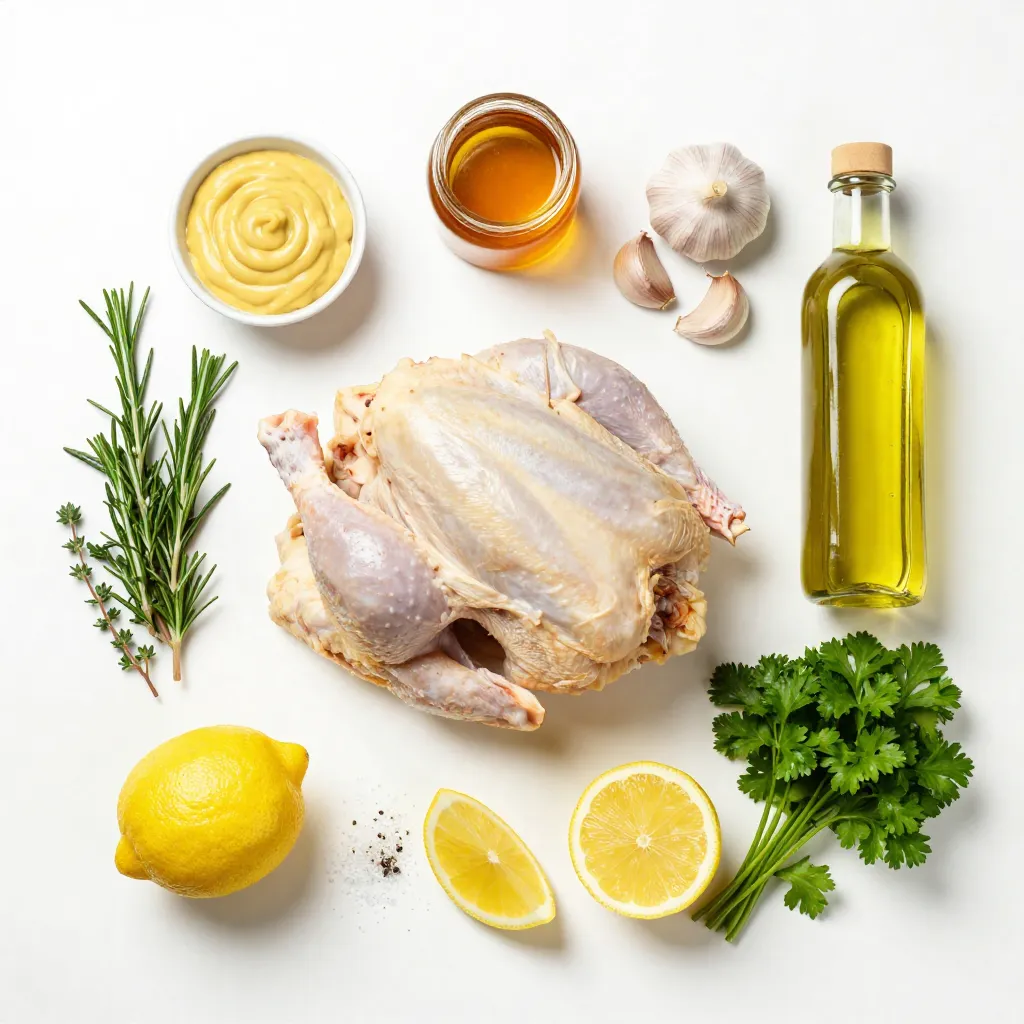
To make Maple Dijon Roasted Chicken, you need a few key items. Here’s what you should gather:
– 1 whole chicken (about 4-5 lbs)
– 1/4 cup Dijon mustard
– 1/4 cup pure maple syrup
– 4 cloves garlic, minced
– 2 tablespoons olive oil
– 1 tablespoon fresh rosemary, chopped (or 1 teaspoon dried)
– 1 tablespoon fresh thyme, chopped (or 1 teaspoon dried)
– Salt and pepper to taste
– 1 lemon, cut into wedges
– Fresh parsley for garnish (optional)
These ingredients create a great blend of sweet and savory flavors. The Dijon mustard adds a nice zing. The maple syrup brings sweetness that balances the dish.
Optional Garnishes and Accompaniments
You can make your meal even better with some simple garnishes. Here are a few ideas:
– Roasted vegetables like carrots, potatoes, or Brussels sprouts
– A fresh green salad with lemon vinaigrette
– Crusty bread to soak up the juices
These sides complement the chicken well. They add colors and textures to your plate.
Suggested Substitutions for Dietary Preferences
If you have any dietary needs, there are easy swaps you can make:
– Use gluten-free mustard for a gluten-free option.
– Swap maple syrup for honey if you prefer a different sweetener.
– Use chicken thighs or breasts instead of a whole chicken for a quicker cook time.
These changes keep the dish tasty while meeting your needs. Feel free to mix and match!
Step-by-Step Instructions
Preparing the Chicken and Glaze
To start, preheat your oven to 375°F (190°C). This step is key for even cooking. Next, grab a small bowl. In it, whisk together these ingredients:
– 1/4 cup Dijon mustard
– 1/4 cup pure maple syrup
– 4 cloves garlic, minced
– 2 tablespoons olive oil
– 1 tablespoon fresh rosemary, chopped (or 1 teaspoon dried)
– 1 tablespoon fresh thyme, chopped (or 1 teaspoon dried)
– Salt and pepper to taste
This glaze is what makes the chicken special. Rinse your whole chicken under cold water and pat it dry with paper towels. This helps the skin get crispy. Place the chicken in a large roasting pan. Now, rub the glaze all over the chicken. Make sure to get it into the crevices and under the skin for the best flavor. Finally, add lemon wedges inside the cavity. This will give the chicken a nice aroma.
Roasting the Chicken to Perfection
Once your chicken is ready, roast it in the preheated oven. Set a timer for about 1 hour and 15 minutes. To check if it’s done, pierce the thickest part of the thigh. If the juices run clear and the internal temperature reaches 165°F (74°C), it is perfect. Halfway through, baste the chicken with the pan juices. This keeps it moist and adds more flavor.
Resting and Carving Tips
After roasting, remove the chicken from the oven. Let it rest for 10-15 minutes. This resting time is important. It allows the juices to move back into the meat, making it tender. When ready, carve the chicken. Use a sharp knife and cut along the joints. If you want, garnish with fresh parsley for a pop of color. Serve it with roasted veggies or a salad for a complete meal.
Tips & Tricks
How to Achieve a Crispy Skin
To get that golden, crispy skin, start with a dry chicken. Pat it well with paper towels. This step helps the skin crisp up during cooking. Next, rub olive oil all over the skin before adding the glaze. The oil helps with browning. Avoid covering the chicken tightly while it cooks. Airflow is key to crispy skin.
Best Practices for Basting
Basting keeps your chicken moist and flavorful. Use a baster or a spoon to scoop the pan juices. Baste the chicken halfway through cooking. This helps add flavor and moisture. Be careful not to open the oven door too much. Each time you open it, heat escapes, which can affect cooking time.
Flavor Enhancements for Maximum Taste
Enhance flavor by adding lemon wedges inside the chicken cavity. They add a nice freshness as it cooks. You can also try adding other herbs like sage or tarragon. For a spicy kick, mix some cayenne pepper into the glaze. This will give your chicken a new twist. Enjoy experimenting with flavors to find your favorite!
Pro Tips
- Rest the Chicken: Allowing the chicken to rest after roasting is crucial for juicy meat. This helps the juices redistribute throughout the meat.
- Use a Meat Thermometer: For perfectly cooked chicken, use a meat thermometer to ensure the internal temperature reaches 165°F (74°C).
- Experiment with Herbs: Feel free to mix and match herbs based on your preference. Fresh herbs provide a more vibrant flavor, but dried herbs can work in a pinch.
- Baste for Flavor: Basting the chicken with its own juices halfway through cooking enhances flavor and keeps the meat moist.
Variations
Maple Dijon Chicken Thighs or Breasts
You can easily switch up the cut of chicken you use. For thighs, follow the same steps. Thighs cook well and stay juicy. They take about 40 to 50 minutes in the oven. If you prefer breasts, they work too. Just cut the cooking time to around 25 to 30 minutes. Always check the internal temperature. It should hit 165°F (74°C).
Herb Variations for Different Flavors
Change the herbs for a new taste. Try using sage for a warm flavor. Oregano gives a nice touch too. Mix in some paprika for a smoky vibe. Thyme and rosemary are classic, but don’t be shy to explore. Each herb adds a unique twist to the glaze. You can even use dried herbs if fresh ones are not available.
Gluten-Free and Low-Carb Adaptations
This recipe is easy to adapt for different diets. To make it gluten-free, ensure your Dijon mustard is gluten-free. Most brands offer this option. For a low-carb version, skip the maple syrup. Use a sugar substitute like erythritol or stevia instead. It still adds that sweet touch without the carbs. This way, you can enjoy your meal without worry.
Storage Info
How to Store Leftover Chicken
After enjoying your Maple Dijon roasted chicken, store any leftovers in an airtight container. Make sure to let the chicken cool first. It can last in the fridge for three to four days. If you want to keep it longer, consider freezing it.
Reheating Instructions for Optimal Freshness
To reheat, preheat your oven to 350°F (175°C). Place the chicken on a baking tray. Cover it with foil to keep it moist. Heat for about 20 minutes or until it’s warm. You can also use a microwave. Just place the chicken on a microwave-safe plate and heat in short bursts until warm.
Freezing Tips for Future Meals
If you want to freeze your chicken, wrap it tightly in plastic wrap, then in aluminum foil. This helps prevent freezer burn. Label the package with the date. It can last in the freezer for up to three months. When you’re ready to eat, thaw it overnight in the fridge before reheating.
FAQs
What is the best temperature to roast chicken?
The best temperature to roast chicken is 375°F (190°C). This temperature cooks the chicken evenly. It gives you a juicy inside and crispy skin. It usually takes about 1 hour and 15 minutes at this heat. You can check if it is done by piercing the thickest part of the thigh. The juices should run clear, and the internal temperature should reach 165°F (74°C).
How long to let the chicken rest before carving?
Let the chicken rest for 10 to 15 minutes before carving. This step is important. Resting allows the juices to spread throughout the meat. If you carve it too soon, the juices will run out. This means drier meat. A short wait makes your chicken more tender and tasty.
Can I make the glaze in advance?
Yes, you can make the glaze in advance. Mix the Dijon mustard, maple syrup, garlic, and herbs ahead of time. Store it in the fridge until you are ready to use it. This saves time on cooking day. Just remember to stir it well before using. The flavors will meld nicely while it sits.
What can I serve with Maple Dijon Roasted Chicken?
You can serve many side dishes with Maple Dijon Roasted Chicken. Some great options include:
– Roasted vegetables
– Fresh salad
– Mashed potatoes
– Rice
These sides complement the flavors of the chicken well. You can choose based on your taste and what you have at home.
Can I use other types of mustard?
Yes, you can use other types of mustard! While Dijon gives a nice tang, you can try yellow mustard for a milder flavor. Spicy brown mustard adds more kick. Each type will change the taste a bit, but they all work well. Feel free to experiment and find what you like best!
Maple Dijon Roasted Chicken is a simple dish to master. You learned about key ingredients, step-by-step instructions, and practical tips for great results. Using my suggested variations and storage advice, you can enjoy this meal more than once. Don’t forget the best cooking temps for juicy chicken and serving ideas to impress. With these insights, you can easily create a delicious and satisfying dish that fits your taste. Happy cookin